
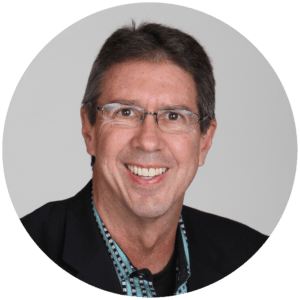
by Dr David Phelps
The Question Everyone Asks: “David, where are you investing today?”
It’s a question I get all the time—from Freedom Founders members, from colleagues, even from long-time friends.
I’ve been investing for 45 years. I started in my early 20s, not in Wall Street, but in something far more hands-on—real estate. I was still in dental school when I realized that investing in my own education and future had to go beyond clinical skills. That’s when I discovered alternative investments.
What Are Alternative Investments?
Alternative investments are any assets outside of Wall Street, beyond the typical stocks, bonds, mutual funds, and annuities.
Wall Street has its place, but when over 79% of retirement assets are funneled into traditional accounts like 401(k)s and IRAs, most people are over-leveraged in a system they can’t control.
Diversification isn’t about owning 50 mutual funds. It’s about gaining exposure to asset classes that behave differently, particularly in down cycles.
My Evolution as an Investor
In my first 20 years, I was the operator. I bought single-family rentals, held notes secured by real estate, and structured seller-financed deals. I learned to balance the equity side (ownership) with the credit side (lending).
That balance has become critical in navigating economic cycles.
After the 2008 Great Financial Crisis, I heavily invested in real estate equities—buying at the bottom, when fear was at its highest. The stock market followed suit; the S&P 500 is up over 300% since 2009.
But today?
I believe we’ve peaked. Across both Wall Street and real estate, we’ve seen extended bull runs. This is when I start taking chips off the table.
Why I Favor Credit Over Equity Right Now
Right now, I’m leaning heavily into private credit, investments where I act as the lender instead of the owner. In today’s high-rate environment, being the bank gives you something invaluable: priority in the capital stack. That means if a deal goes south, you’re the first to get paid.
As a lender, I don’t participate in equity appreciation or enjoy the same tax benefits—but what I get is control, predictability, and timely cash flow. In this part of the cycle, that trade-off is worth it.
Private credit gives me the ability to structure deals that are shorter in duration, secured by hard assets, and more resilient to volatility. When you're lending against well-underwritten real estate with a significant margin of safety, you're in a position of strength.
This strategy also keeps me liquid enough to pivot—to strike when new equity opportunities emerge as the market resets.
Investing Through People — Not Projects
When I was younger, I did everything myself–manage properties, underwrite deals, negotiate terms. But today, my most valuable asset is time.
Now, I invest through people—experts who understand their lane, have a proven track record, and operate with integrity.
This didn’t happen overnight. It took decades to build a network of trusted operators—people who have proven they know their stuff and can deliver consistent results.
You can’t just throw your money at the next flashy syndicate you find online. I do my due diligence, but I don’t have to be in the weeds anymore.
Much of this growth came through intentional investment in relationships—joining mastermind groups, attending events, and being in the room with people who have a track record of integrity and results.
These aren’t “guru” networks; they’re strategic alliances with entrepreneurs, capital allocators, and experts who live and breathe their niche.
That’s how I stay ahead of the curve—not by knowing everything, but by knowing who to trust.
Investments I’m Focusing On (And Why)
- – Private Credit Funds – Asset-backed lending with consistent cash flow. Structured for quicker entry, no management, but less control. Due diligence and a trusted operator is paramount.
- – U.S. Treasuries – Currently yielding over 4% with six-month liquidity.
- – Precious Metals – Gold and silver as inflation hedges, up 20%+ over the last 18 months.
- – Oil & Gas Royalties – Legacy assets I inherited, now expanded through smart partnerships.
- – Energy Working Interests – With careful vetting, this sector offers high cash flow and tax benefits.
- – Commodities – I believe we’re entering a commodities supercycle, making this a great time to position capital with the right people.
Preservation and Liquidity
I’ve become more focused on capital preservation in recent years—not out of fear, but from a deeper understanding.
I keep a larger portion of my capital in U.S. Treasuries, which today yield over 4% and are fully liquid within six months. I prefer this to CDs or money markets because Treasuries are more flexible and often more tax-advantaged.
I’ve also increased my allocation to precious metals, particularly gold and silver. Over the past three years, I’ve become more aggressive in this space because these assets offer an inflation hedge and portfolio ballast. During times of economic uncertainty, they’ve performed remarkably well.
This “liquidity bucket” gives me optionality—the ability to move quickly when opportunities arise, without being forced to liquidate long-term assets under pressure.
It's About Income, Not Just Net Worth
Don’t be fooled by the vanity metrics of net worth. What actually matters: How much income is your capital producing?
An asset’s worth isn’t just what Zillow says it is—it’s what it nets you after taxes, fees, and market volatility.
I measure my wealth by the quality and quantity of replacement income it generates. If it doesn’t produce, it doesn’t belong in my portfolio.
Know Where You Are
When I was younger, I had time to operate. Today, my time is more valuable. And it will be for you too. Ask yourself:
- – Are you in the build phase or preservation phase?
- – Do you want more control over your financial future—or are you outsourcing it blindly?
The answer will tell you where and how to invest. If you're still early in your career, operating assets might make sense—learn, build, grow. But as you move up the ladder, the focus must shift to scaling through the leverage of people, networks, and strategies.
That’s the framework I use with Freedom Founders members to determine where they are in the cycle and what kind of investments make sense based on their time, capital, and capacity.
Final Thought: Buy Time
I buy time by paying for access—to investments, to people, to vetted opportunities. I pay to be in the room with those who are ahead of me.
The most valuable thing I own today? Time.
And that, more than any single asset, is the key to real freedom.
You can’t just throw your money at the next flashy syndicate you find online. I do my due diligence, but I don’t have to be in the weeds anymore.
To your freedom!
– David
P.S. Whenever you’re ready, here are some other ways I can help fast track you to your Freedom goal (you’re closer than you think) :
1. Schedule a Call with My Team:
If you’d like to replace your active practice income with passive investment income within 2-3 years, and you have at least $1M in available capital (can include residential/practice equity or practice sale), then schedule a call with my team. If it looks like there is a mutual fit, you’ll have the opportunity to attend one of our upcoming member events as a guest. www.freedomfounders.com/schedule
2. Get Your Dentist Retirement Survival Guide:
The winds of economic change are here, and now is the time to move to higher ground. This guide gives you the steps to protect your retirement, your family, and your peace of mind. Get your free report here.
3. Get Your Free Retirement Scorecard:
Benchmark your retirement and wealth-building against hundreds of other practice professionals, and get personalized feedback on your biggest opportunities and leverage points. Click here to take the 3 minute assessment and get your scorecard.